In Memoriam: Dr. Romhány Lászlóné (R. Papp Mária)
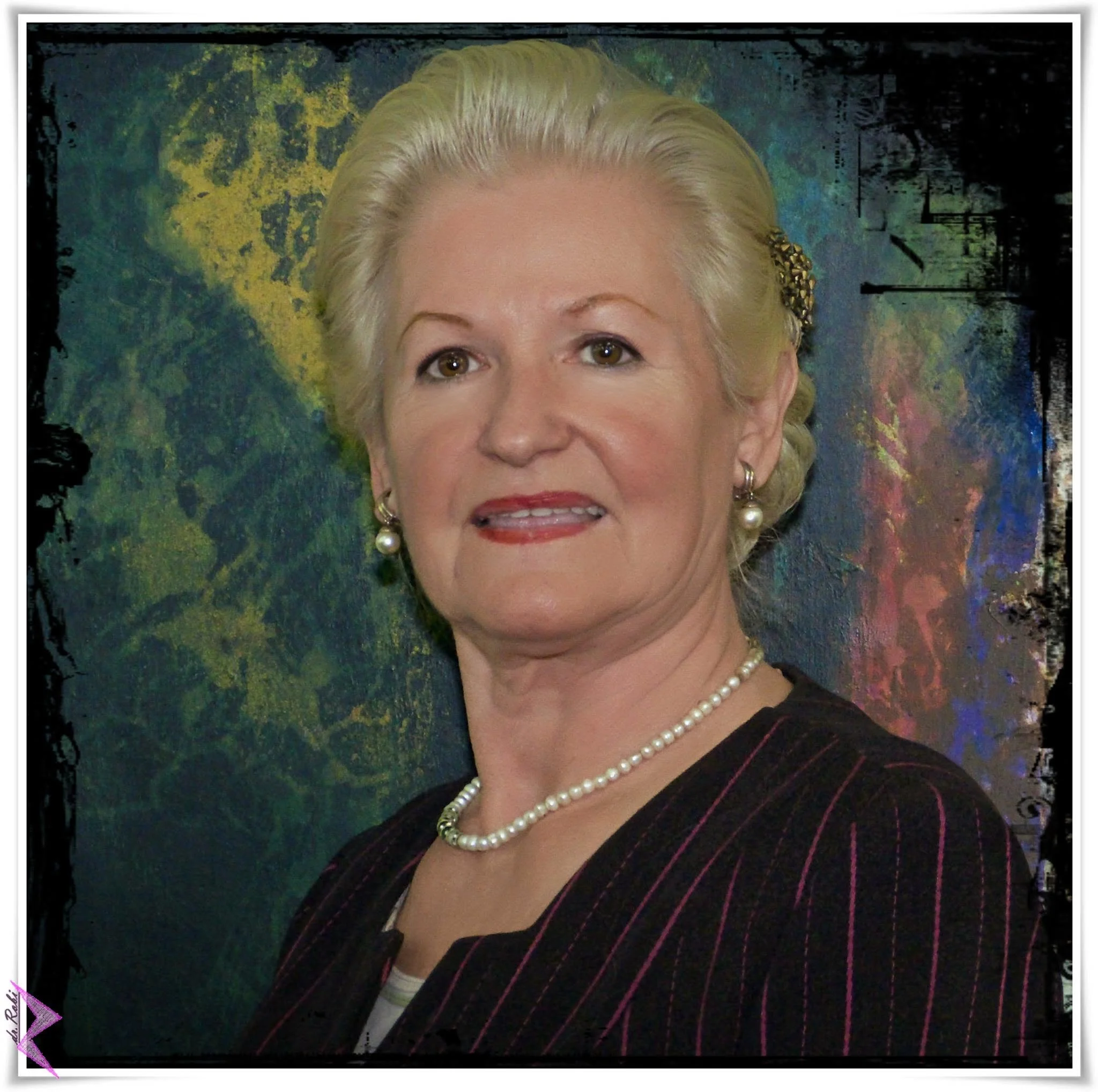
Egy alkotó ember pályája sosem a stúdióban vagy a színpadon kezdődik, hanem azokban a legelső benyomásokban, amelyek a gyermekkorát kísérik. Édesanyám, Dr. Romhányi Lászlóné (művésznevén R. Papp Mária) nemcsak a hivatásának élt, hanem a zene és az emberi hang puszta szeretetének is. Az a kristálytiszta intonáció és gyönyörű énekhang, amellyel a mindennapokat megtöltötte, egy életre meghatározta a minőségről és a zenei alázatról alkotott elképzeléseimet.
Édesapámmal – aki jogászként is kiválóan zongorázott – közös zenéléseik jelentették számomra az első találkozást az alkotás varázslatával. Ez a családi közeg nemcsak zeneértő hátteret adott, hanem inspirációt is a későbbi közös munkákhoz.
* * *
The career of a creative person never begins in the studio or on stage, but in the earliest impressions that accompany their childhood. My mother, Mrs. László Romhányi (known artistically as Mária R. Papp), lived not only for her profession, but for the sheer love of music and the human voice. The crystal-clear intonation and beautiful singing voice with which she filled our everyday lives defined my concepts of quality and musical humility for a lifetime.
The shared music-making between my parents—my father was also an exceptionally talented pianist alongside his legal profession—marked my first encounter with the magic of creation. This family environment provided not only a knowledgeable musical background, but also the inspiration for our later joint works.
Polgári gyökerek és az első dallamok
Édesanyám 1946-ban született Miskolcon, egy mélyen vallásos, polgári értékrendet képviselő családba. Édesapja a Felsővárosi Református Gyülekezet presbitere és a város egyik legnevesebb kereskedője volt az 1949-es államosításokig. Édesanyjától – akinek abszolút hallása volt és gyönyörűen zongorázott – nemcsak a zene szeretetét, hanem a kristálytiszta intonációt is megörökölte.
A fegyelem és a teljesítmény már kiskorában megmutatkozott: mielőtt az éneklés végleg átvette volna a főszerepet, korcsolya-, szertornász- és úszóbajnok volt. Amikor a „lihegős” sportokat a hangszalagjai védelmében abba kellett hagynia, a zene felé fordult – tizenhét éves koráig minden énekversenyt megnyert, amin elindult.
A hivatás és a család szimbiózisa
Bár Egerben végzett magyar-ének szakos tanárként, és minden adottsága megvolt egy hatalmas, nemzetközi szólókarrierhez, ő a szolgálatot és a családot választotta. Harminc éven át volt hivatalosan „háztartásbeli”, hogy ápolhassa beteg családtagjait, miközben otthon egy lenyűgöző szellemi inkubátort hozott létre. Ez a „háztartásbeli” édesanya németül és franciául beszélt, latinul olvasott, idegen nyelvű zeneműveket fordított, és utolsó éveiben festeni is kezdett, amiből Miskolcon több kiállítása is nyílt.
Ez a családi közeg adta meg számomra a zenei és intellektuális alapot. Míg ő a nyelvekre, az énekre és a művészetekre tanított, a zenei örökség apai ágon is erősen jelen volt. Jogász nagyapám (édesanyám apósa) a város kiváló zongoristája volt, kettejük közös zenélései pedig élő példát adtak a muzsika tiszteletére. Édesapám – ő is jogászként – szintén ezt a zeneszerető, polgári hagyományt vitte tovább, így az alkotás varázslata és az első házi hangfelvételek élménye már a legkorábbi éveimtől körbevettek.
Színházi pedagógia és Miskolc kulturális élete
Édesanyám életműve ezer szálról kötődött Miskolchoz. Több mint két évtizeden át képezte a Miskolci Nemzeti Színház társulatának tagjait belső énektanárként, alapjaiban határozva meg a helyi színjátszás zenei színvonalát.
A színészek képzése: Feladata a prózai és zenés színészek énektechnikai fejlesztése, a szerepek betanítása és a színpadi hangképzés biztosítása volt. Kollégái és növendékei tiszteletük jeléül csak „Marika néniként” emlegették.
Közösségi szerepvállalás: A színházon és a mintegy tizenöt-tizenhat magántanítványán túl éveken át volt a metodista egyház egyházzenei kurzusának hangképző tanára is.
Előadóművészi repertoár és szakrális jelenlét
Előadóművészként a tiszta csengésű énekhang és a mély átélés jellemezte. Otthonosan mozgott az operettek, a klasszikus dalok és a komolyzene világában – legkedvesebb szerepei közé tartozott a Bánk bán Melindája és a Szent Erzsébet legendája. Énekelt Kárpátalján, Görögországban, Németországban és Londonban is, de legfontosabbnak a szöveg érthetőségét tartotta, ezért az anyanyelvű megszólalást mindennél előbbre helyezte.
Az éneklést nem karriernek, hanem szolgálatnak, imádságnak tekintette. Rendszeresen énekelt különböző Ave Maria feldolgozásokat, és alig akad olyan templom Miskolcon, ahol ne csendült volna fel a hangja. Kiemelkedő volt a miskolc-felsővárosi református templom építéséért tartott „Ének a templomért” jótékonysági koncertsorozata.
Családi alkotóműhely és zenei archívum
Fiaként nemcsak a magánéletben, hanem a színpadon és a stúdióban is szoros alkotói közösséget alkottunk.
Holle anyó (1997): Legismertebb közös alkotásunk az 1997-ben bemutatott zenés mesejáték, amelyet közösen komponáltunk, és amelynek dalaiban ő maga is közreműködött.
Közös fellépések és felvételek: Számtalan alkalommal léptünk színpadra együtt. Zenei archívumunk a mai napig őrzi Caccini Ave Maria-jának közös előadását, valamint egy Grentzner Ave Maria felvételt (Balázs Adrienne zongorakíséretével).
Te Deum: A miskolctapolcai templom szentelésére készülő Te Deum komponálásakor kifejezetten az ő hangjára írtam a szopránszólót, amelynek akusztikáját még együtt próbálhattuk ki a falak között.
Az Éltető Lélek és a polgári értékrend
Édesanyám meghatározó alapköve és énekművésze volt az Éltető Lélek Irodalmi Kör Egyesületnek is. Alakját és szellemi hagyatékát mi sem írhatná le pontosabban, mint alkotótársa, Birtha Melinda búcsúztató sorai:
„Dr. Romhányiné Papp Mária az Éltető Lélek Irodalmi Kör alapító tagjai között volt. Az a hűséggel és elkötelezetten végzett szolgálat, amellyel példát adott sokak számára, irányt is mutat arra, hogyan tovább. [...]
»Mikor van a születésnapod?« – kérdezte, aztán a születésnapomon megcsörrent a telefon, és felköszöntött a rá jellemző természetességgel és eleganciával, aztán kacagva köszönt el. Megjegyzett. Nemcsak a születésnapomat, hanem engem és még sokakat. Olyan kevesen tesszük ezt, hogy számon tartjuk a másikat. [...]
A művésznők valahogy mindig így éltek a képzeletemben, ahogy azt tőle láttuk. Két lábbal a földön, és mégis feljebb, azért, hogy a magasba emeljen mindenkit. [...] Tanított a levegővételre, a szép kiejtésre, hogy ne harapjuk el a szavak végét, hogy figyeljünk egymásra. »Jó voltál« – súgta oda egy-egy vers után, mert arra is figyelt, hogy mi hogyan álltunk, szóltunk a színpadon. Nyomot hagyott az életükben.
Marika egyik utolsó képviselője volt annak a múlt századi polgári világnak, amelyik még ismerte az eleganciát, a nagyvonalúságot, tartotta a hétköznapok rendjét és ismerte a vasárnapot is, az Isten előtti megállás idejét. Értette az »igaz« értékét, és tudott aszerint élni. Meglátta a szépet, és művelte azt. Hosszú éveken át a kitartás, a hűség, a tisztelet, a családi összetartozás megélt valóságként volt jelen az életében.”
Morális fundamentum
Hosszú, hihetetlenül gazdag pedagógiai és előadóművészi pálya után édesanyám 2024. július 23-án hunyt el. Végső nyugalomra augusztus 5-én helyeztük a miskolci Deszkatemplomban.
Az ő öröksége számomra ma nem csupán emlék, hanem szilárd morális és szakmai fundamentum. Bár tudott „bővölködni és szűkölködni”, a minőségből sosem engedett. Az a zéró tolerancia a középszerűséggel szemben, a szakmai alázat és az az alkotói igényesség, amelyet egész életével képviselt, ott van minden leütött akkordomban és minden elvégzett munkámban.
In Memoriam: Dr. Romhányiné Papp Mária (R. Papp Mária)
The career of a creator never begins in the studio or on stage, but in the very first impressions that accompany their childhood. My mother, Dr. Romhányi Lászlóné (known by her stage name R. Papp Mária), lived not only for her profession but for the pure love of music and the human voice. The crystal-clear intonation and beautiful singing voice with which she filled our everyday lives defined my concepts of quality and musical humility for a lifetime.
Her musical collaborations with my father—who, despite being a lawyer, was an excellent pianist—represented my first encounter with the magic of creation. This family environment provided not only a music-appreciating background but also the inspiration for our later joint projects.
Traditional Civic Roots and the First Melodies
My mother was born in Miskolc in 1946 into a deeply religious family representing traditional civic values. Her father was a presbyter of the Felsőváros Reformed Congregation and one of the city's most renowned merchants until the nationalizations of 1949. From her mother—who had perfect pitch and played the piano beautifully—she inherited not only a love for music but also her crystal-clear intonation.
Her discipline and drive for performance were evident from an early age: before singing definitively took center stage, she was a champion in ice skating, gymnastics, and swimming. When she had to give up "panting" sports to protect her vocal cords, she turned to music—by the age of seventeen, she had won every singing competition she entered.
The Symbiosis of Vocation and Family
Although she graduated in Eger as a teacher of Hungarian literature and music, and possessed all the qualities for a massive international solo career, she chose service and family. She was officially a "homemaker" for thirty years to care for ailing family members, while simultaneously creating a fascinating intellectual incubator at home. This "homemaker" mother spoke German and French, read Latin, translated foreign-language musical works, and in her final years took up painting, resulting in several exhibitions in Miskolc.
This family environment provided my musical and intellectual foundation. While she taught me languages, singing, and the arts, the musical heritage was also strongly present on my father's side. My lawyer grandfather (my mother's father-in-law) was an excellent pianist in the city, and their musical collaborations provided a living example of respect for music. My father—also a lawyer—carried on this music-loving, traditional civic heritage as well, so the magic of creation and the experience of my first home audio recordings surrounded me from my earliest years.
Theatrical Pedagogy and the Cultural Life of Miskolc
My mother's life's work was tied to Miskolc by a thousand threads. For more than two decades, she trained the members of the Miskolc National Theatre company as their in-house vocal coach, fundamentally defining the musical standard of local acting.
Training the actors: Her task was the vocal technical development of both dramatic and musical actors, teaching roles, and ensuring proper stage voice production. Out of respect, her colleagues and students simply called her "Aunt Marika" (Marika néni).
Community involvement: Beyond the theater and her fifteen to sixteen private students, she also served for years as the vocal training teacher for the Methodist Church's church music course.
Performing Repertoire and Sacred Presence
As a performing artist, she was characterized by a clear-ringing singing voice and deep emotional involvement. She was at home in the worlds of operettas, classical art songs, and classical music—her favorite roles included Melinda from Bánk bán and The Legend of St. Elizabeth. She performed in Transcarpathia, Greece, Germany, and London, but she considered the comprehensibility of the text to be paramount, therefore placing native-language delivery above all else.
She viewed singing not as a career, but as a service, a prayer. She regularly sang various Ave Maria adaptations, and there is hardly a church in Miskolc where her voice has not resonated. Her charity concert series "Song for the Church" (Ének a templomért), held for the construction of the Miskolc-Felsőváros Reformed Church, was particularly outstanding.
Family Creative Workshop and Musical Archive
As her son, we formed a tight-knit creative community not only in our private lives but also on stage and in the studio.
Mother Holle (Holle anyó, 1997): Our most well-known joint creation is the musical fairy tale premiered in 1997, which we co-composed and in whose songs she herself participated.
Joint performances and recordings: We took the stage together countless times. To this day, our musical archive preserves our joint performance of Caccini's Ave Maria, as well as a recording of Grentzner's Ave Maria (accompanied by pianist Adrienne Balázs).
Te Deum: When composing the Te Deum for the consecration of the Miskolctapolca church, I wrote the soprano solo specifically for her voice, and we were even able to test its acoustics together within those walls.
The Éltető Lélek and Traditional Civic Values
My mother was also a defining cornerstone and vocal artist of the Éltető Lélek Literary Circle Association. Her persona and spiritual legacy could not be described more accurately than by the farewell words of her creative partner, Melinda Birtha:
"Dr. Romhányiné Papp Mária was among the founding members of the Éltető Lélek Literary Circle. The faithful and dedicated service with which she set an example for so many also points the way forward. [...]
'When is your birthday?' she asked, and then on my birthday the phone rang, and she greeted me with her characteristic naturalness and elegance, then said goodbye with a laugh. She remembered. Not just my birthday, but me and many others. So few of us do this, keeping track of one another. [...]
Somehow, female artists always lived in my imagination exactly as we saw in her. With both feet on the ground, yet higher up, in order to lift everyone higher. [...] She taught us how to breathe, how to articulate beautifully, not to swallow the ends of our words, and to pay attention to one another. 'You were good,' she would whisper after a poem, because she also paid attention to how we stood and spoke on stage. She left a mark on their lives.
Marika was one of the last representatives of that past-century traditional civic world, one that still knew elegance and generosity, maintained the order of everyday life, and also knew Sunday, the time to stand before God. She understood the value of the 'true' and knew how to live accordingly. She saw the beautiful and cultivated it. For many long years, perseverance, loyalty, respect, and family unity were present in her life as a lived reality."
Moral Foundation
After a long, incredibly rich pedagogical and performing career, my mother passed away on July 23, 2024. We laid her to final rest on August 5 in the Wooden Church (Deszkatemplom) of Miskolc.
For me, her legacy today is not merely a memory, but a solid moral and professional foundation. Although she knew how to "abound and suffer need," she never compromised on quality. The zero tolerance for mediocrity, the professional humility, and the creative exactingness she represented with her entire life are present in every chord I strike and in every work I complete.